

In today's interconnected world, the line between online safety and exposure is thinner than ever. As technologies advance, so too do the tactics of cybercriminals. A recent Dutch raid uncovered a staggering 17 million routers commandeered in a sophisticated scheme, turning unsuspecting users' Wi-Fi into conduits for cybercrime. This incident sheds light on a new, quiet economy, where criminals exploit your connectivity, often without you even knowing. Here's how it happens and what you need to know to protect yourself.
The Dutch Raid: Unraveling a Complex Cyber Scheme
What happened?
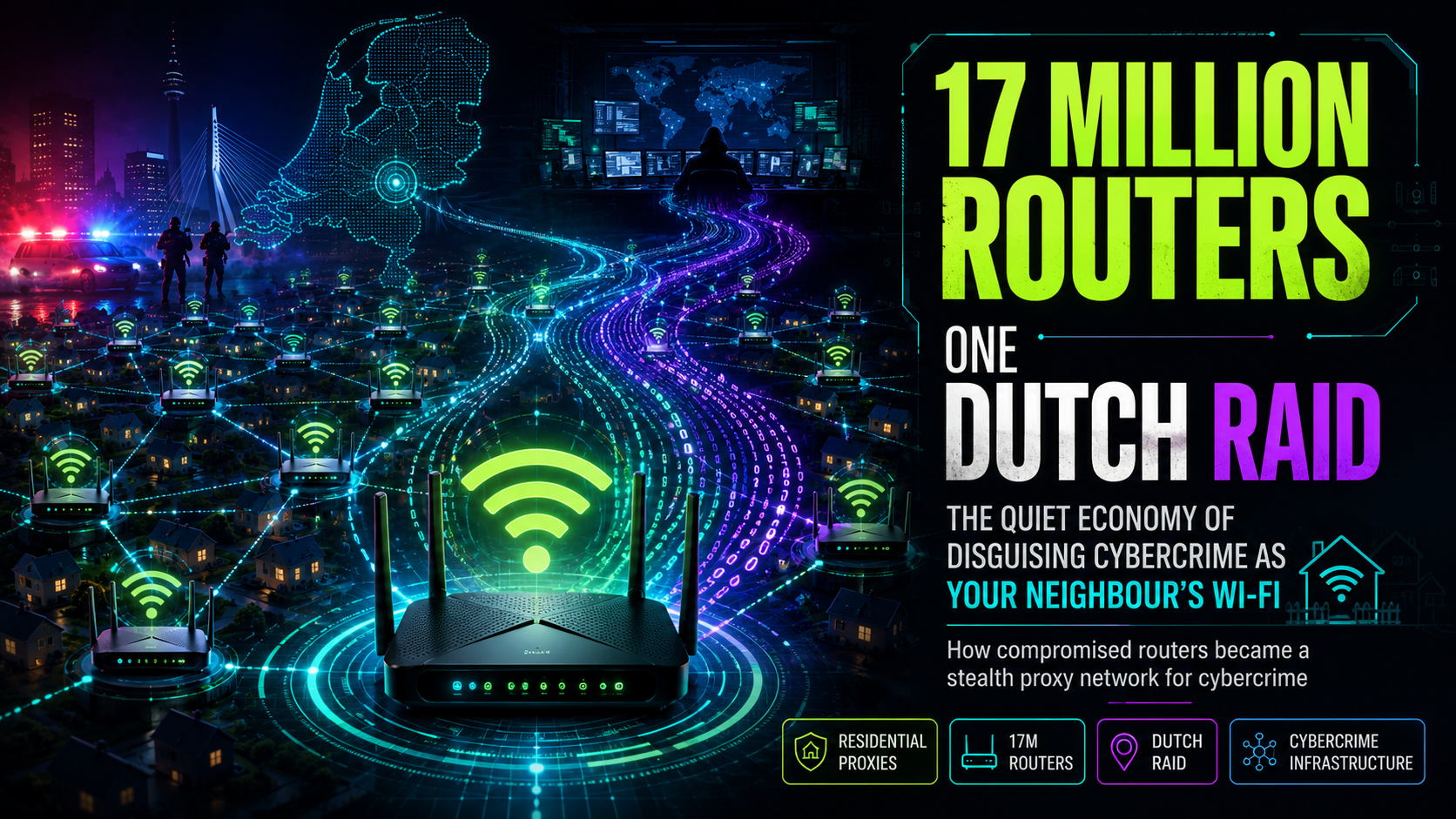
In a startling operation, Dutch authorities raided locations connected to a vast network of 17 million compromised routers. These devices were hijacked by cybercriminals to disguise illicit activities, masking their true origins by routing them through everyday people's internet connections.
How did the criminals operate?
This scheme is reminiscent of a digital sleight of hand, where the criminals reconfigured routers remotely to create a network of proxies. By leveraging vulnerabilities in these devices, they could operate anonymously online, engaging in activities like phishing, distributing malware, or launching DDoS attacks, all under the radar of cybersecurity authorities.
The Rise of the 'Disguised Economy'
Why disguise cybercrime as neighbour's Wi-Fi?
Cybercriminals are perpetually innovating to bypass traditional detection methods. By using the routers of unsuspecting individuals, they effectively dissociate their illicit online actions from their physical locations. This makes detecting the origin of a cyberattack significantly more challenging for law enforcement.
Economic incentives
This 'disguised economy' is driven by substantial financial incentives. Criminals can charge fees for access to these proxy networks, selling them to other malicious actors who wish to conduct their operations without revealing their identities.
Protecting Your Connectivity
Securing routers
Securing a router is crucial yet often overlooked. Simple measures such as regularly updating firmware, changing default passwords, and enabling network encryption can drastically reduce vulnerability.
- Update Regularly: Manufacturers like Netgear and Linksys advise frequent updates to patch known security holes.
- Password Management: Use strong, unique passwords and change them periodically.
- Network Encryption: Activate WPA3 for maximum protection.
Monitoring Tools
Employing tools like DarkInvader's OSINT Monitoring can proactively watch for any abnormal activities that suggest a compromise.
Community and Cooperation
While individual actions are vital, collective awareness and prompt reporting of suspicious activities enhance cyber resilience. Collaborating with neighbours and community forums can facilitate the sharing of best practices and warnings of potential threats.
Summary
The Dutch raid's revelation of a 17-million-router operation serves as a wake-up call. Cybersecurity isn't just a personal concern but a communal one. As cybercriminals increasingly exploit everyday devices, it’s imperative to fortify our digital fortresses collaboratively. By understanding their tactics and taking proactive security measures, we can safeguard our digital neighbours, and ourselves, from becoming unwitting accomplices to cybercrime.
FAQs
What are the main threats posed by compromised routers?
Compromised routers can act as gateways for cybercriminals to carry out illegal activities, such as identity theft, data breaches, and launching cyberattacks, all under the guise of the legitimate owner's connection.
How can I detect if my router has been compromised?
Slow internet speeds, unfamiliar devices on your network, and altered settings are potential indicators of compromise. Regularly monitoring your network and employing cybersecurity tools can help spot these issues early.
Why is securing a router important for cybersecurity?
Routers are critical entry points to home networks. If unsecured, they can expose all connected devices to threats, enabling criminals to access personal and sensitive information easily.
What tools can help in monitoring and securing my router?
Using cybersecurity services like DarkInvader's Monitoring Tools can enhance your router's security by detecting and alerting you to suspicious activities.
By understanding these dynamics and taking precautionary steps, you can contribute to a safer digital ecosystem for everyone.