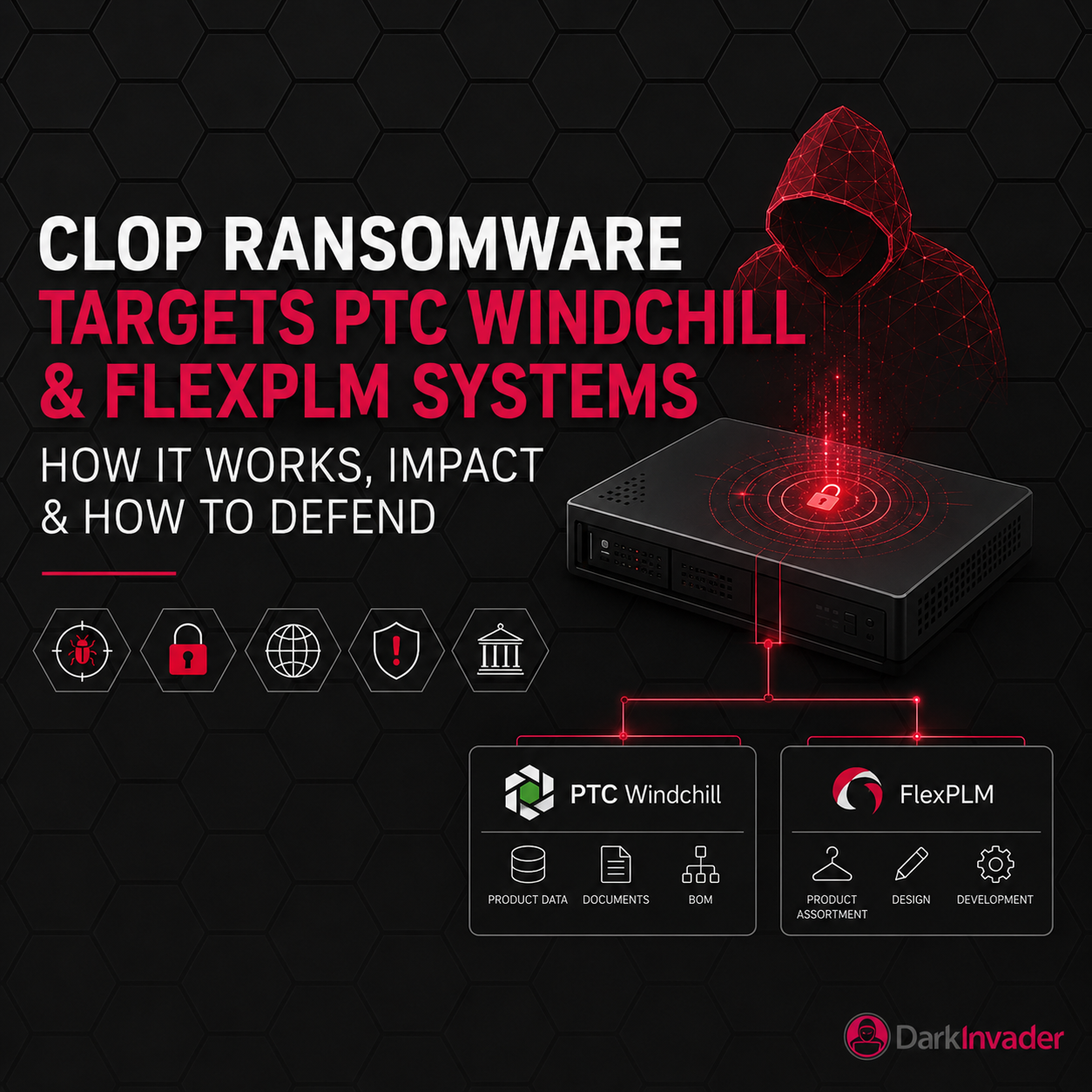
The cybersecurity landscape continues to evolve as attackers develop more sophisticated means to exploit vulnerabilities in both software and hardware systems. One of the latest threats to emerge is the Cl0p ransomware group’s targeting of Internet-exposed PTC Windchill and FlexPLM systems. These two platforms are integral to numerous businesses, particularly in manufacturing and retail sectors, and their compromise poses significant operational risks. This article delves into how Cl0p exploits these systems, the impact of such breaches, and the measures organisations can employ to fortify their security posture.
Ransomware groups like Cl0p are notorious for their audacity and technical prowess. Cl0p, in particular, has carved a niche by focusing on expensive ransom demands and leaking data publicly to coerce payments from the victims. Their recent activities have demonstrated a keen interest in exploiting vulnerabilities within Internet-exposed enterprise software, making systems like PTC Windchill and FlexPLM prime targets.
PTC Windchill is a Product Lifecycle Management (PLM) software widely used across manufacturing industries for managing product data and processes. FlexPLM, on the other hand, is a Retail PLM solution that serves retailers and consumer product companies by managing product assortment, design, and development phases. The robustness of these platforms makes them indispensable, but any security lapse can result in grave consequences such as data theft and operational disruptions.
The primary vector Cl0p utilises is the exploitation of vulnerabilities within Internet-exposed systems. When these platforms are inadequately safeguarded, they offer a gateway for attackers to deploy ransomware and encrypt critical data. For instance, unpatched software versions, weak access controls, and inadequate network segmentation are common pitfalls that Cl0p exploits.
Cl0p typically initiates attacks by scanning networks for open ports that correspond with known vulnerabilities in PTC Windchill and FlexPLM systems. Upon gaining access, they deploy ransomware to encrypt files and demand ransom. In many cases, the group threatens to release sensitive data on their leak site if the demands are not met. This dual-pressure tactic makes Cl0p particularly feared among victims, as the loss of intellectual property or personally identifiable information (PII) can devastate companies.
A successful Cl0p attack can lead to various consequences, including financial losses, damaged reputation, and potential legal repercussions. The encryption of critical data halts business operations, and companies often face pressure to meet ransom demands to resume normalcy. Additionally, if data is leaked, it can result in severe privacy violations and competitive disadvantages.
Past incidents have shown that businesses affected by such ransomware often experience prolonged recovery times, leading to significant revenue loss. Furthermore, customers and third-party partners lose trust, impacting business continuity and future dealings.
To counter Cl0p's attacks, businesses should implement comprehensive security strategies tailored to their specific operational needs. Key measures include regular software updates to patch vulnerabilities, the adoption of strong encryption and access management protocols, and rigorous network monitoring. Employing the expertise of vulnerability scanning services, like DarkInvader's vulnerability scanning, can help organisations detect and mitigate potential security gaps before they're exploited.
A robust incident response plan is critical for mitigating the effects of a ransomware attack. This includes establishing clear communication channels, testing recovery processes, and educating employees on recognising phishing attempts and other social engineering tactics.
Organisations can fortify their security posture by leveraging up-to-date threat intelligence, which provides insights into emerging threats and attack vectors. Collaborating with cybersecurity firms that offer threat intelligence services can accelerate the detection of potential attacks. DarkInvader's global threat intelligence is an invaluable resource for staying ahead of cybersecurity threats.
The persistent threat posed by groups like Cl0p underscores the necessity for organisations to continuously adapt and enhance their cybersecurity strategies. By understanding the methodologies employed by attackers and implementing robust security measures, businesses can protect their critical assets and maintain operational resilience.
Cl0p ransomware is a type of malware used by cybercriminals to encrypt a victim's data and demand a ransom for its decryption. It targets enterprise systems, especially those with vulnerable, Internet-exposed points, to maximise its impact and potential payout.
Cl0p ransomware exploits vulnerabilities in PTC Windchill by scanning for open ports and known weaknesses in the system. They gain access, deploy ransomware, and encrypt critical files, often threatening to leak sensitive data if their ransom demands are not satisfied.
Organisations can defend against Cl0p by implementing thorough cybersecurity protocols, routinely updating their systems to patch vulnerabilities, employing vulnerability scanning, and leveraging threat intelligence resources. Having a responsive incident management plan is also crucial.
Internet-exposed systems are susceptible to ransomware attacks because they often have unpatched vulnerabilities that can be exploited by cybercriminals. Insufficient security configurations, such as weak passwords and inadequate access controls, further increase their risk of compromise.

Unlock full visibility of your external attack surface with DarkInvader’s continuous, real-time monitoring. Create your free account to discover unknown assets, detect emerging risks and stay ahead of potential threats before attackers can exploit them.
Create My Free Account
Platform 7D, New Station Street, Leeds,
LS1 4BT, United Kingdom
Mon-Fri, 9:00-17:00
Contact:
sales@darkinvader.io
+44 (0)1138805336
Last updated: 14 August 2026
©2026 DarkInvader, All Rights Reserved


