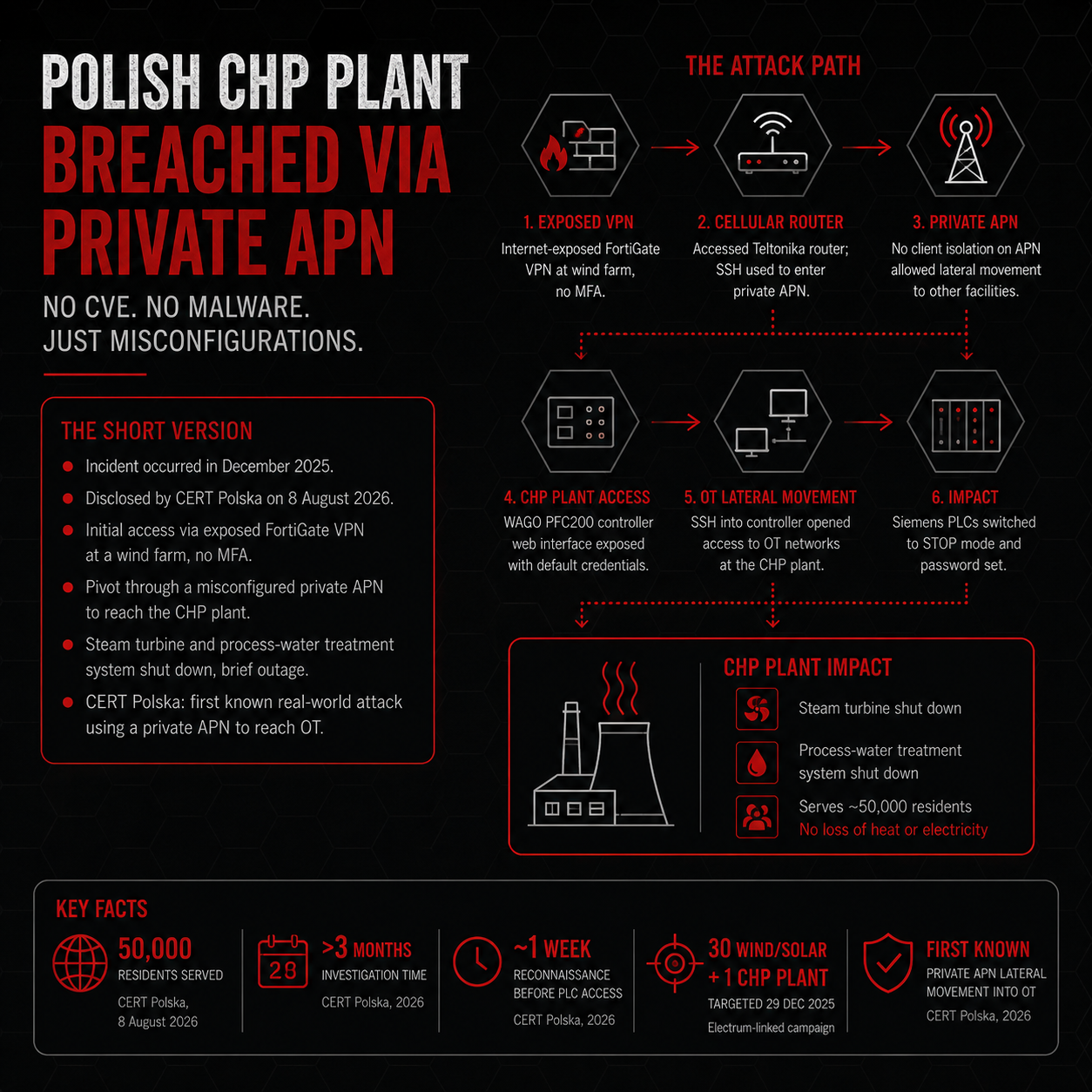
In the interconnected world of industrial operations, cyber threats can emerge from the most unexpected corners. Imagine this: a forgotten VPN at a remote wind farm finding its way into the heart of a heat plant, compromising Siemens PLCs, and laying groundwork for potential havoc. This scenario illustrates the vulnerabilities inherent in expansive industrial networks and the critical need for a robust cybersecurity strategy encompassing every point of access.
In recent years, the integration of renewable energy sources like wind farms into the energy grid has seen a meteoric rise. With technological advancements, these once isolated installations are now networked into broader industrial ecosystems. This networking offers efficiency and control but also opens doors to potential cybersecurity threats.
At its core, a VPN is a technology that creates a secure network over the Internet. It cloaks data transfer with encryption, ensuring that the information remains confidential. For industries, VPNs connect remote sites and facilitate secure data exchanges between different parts of a network.
Industries grow, acquire new systems, and sometimes leave ageing technology in the dust. When equipment is retired or replaced, the software that communicated with it, such as a VPN, might be neglected. These digital relics, if not properly decommissioned, can remain operational unbeknownst to the present-day network overseers.
In a dramatic cybersecurity breach, an oversimplified yet forgotten VPN connection at a wind farm created a vulnerability in an entirely different facility: a heat plant equipped with Siemens PLCs. The potential risks are immense—disruption, damage to critical infrastructure, and even safety hazards.
The VPN at the wind farm provided a link to outdated controllers connected to the broader network, including the operational systems at the heat plant. Here, Siemens PLCs are crucial to the plant's functionality, automating various processes from temperature control to plant safety systems.
Protecting the integrity of industrial systems requires a proactive cybersecurity approach:
Maintaining an up-to-date inventory of all network devices and connections is fundamental. This ensures no component, like a VPN, is forgotten.
Ensuring that all systems and software, including VPNs, are regularly updated and patched is critical in closing security gaps.
Regular security audits help identify lingering connections and potential vulnerabilities in the network.
Dividing a network into zones and conduits mitigates risk by containing breaches and preventing them from spreading to critical systems.
Retiring old technology correctly by decommissioning software and network connections prevents them from becoming backdoors for cyber attackers.
The tale of a forgotten VPN linking a wind farm to Siemens PLCs at a heat plant serves as a stark reminder of how past oversights can generate future vulnerabilities. With advancing technology, cybersecurity should remain at the forefront of industrial operations, ensuring all components harmoniously work together without creating unintended risks.

Unlock full visibility of your external attack surface with DarkInvader’s continuous, real-time monitoring. Create your free account to discover unknown assets, detect emerging risks and stay ahead of potential threats before attackers can exploit them.
Create My Free Account
Platform 7D, New Station Street, Leeds,
LS1 4BT, United Kingdom
Mon-Fri, 9:00-17:00
Contact:
sales@darkinvader.io
+44 (0)1138805336
Last updated: 14 August 2026
©2026 DarkInvader, All Rights Reserved


