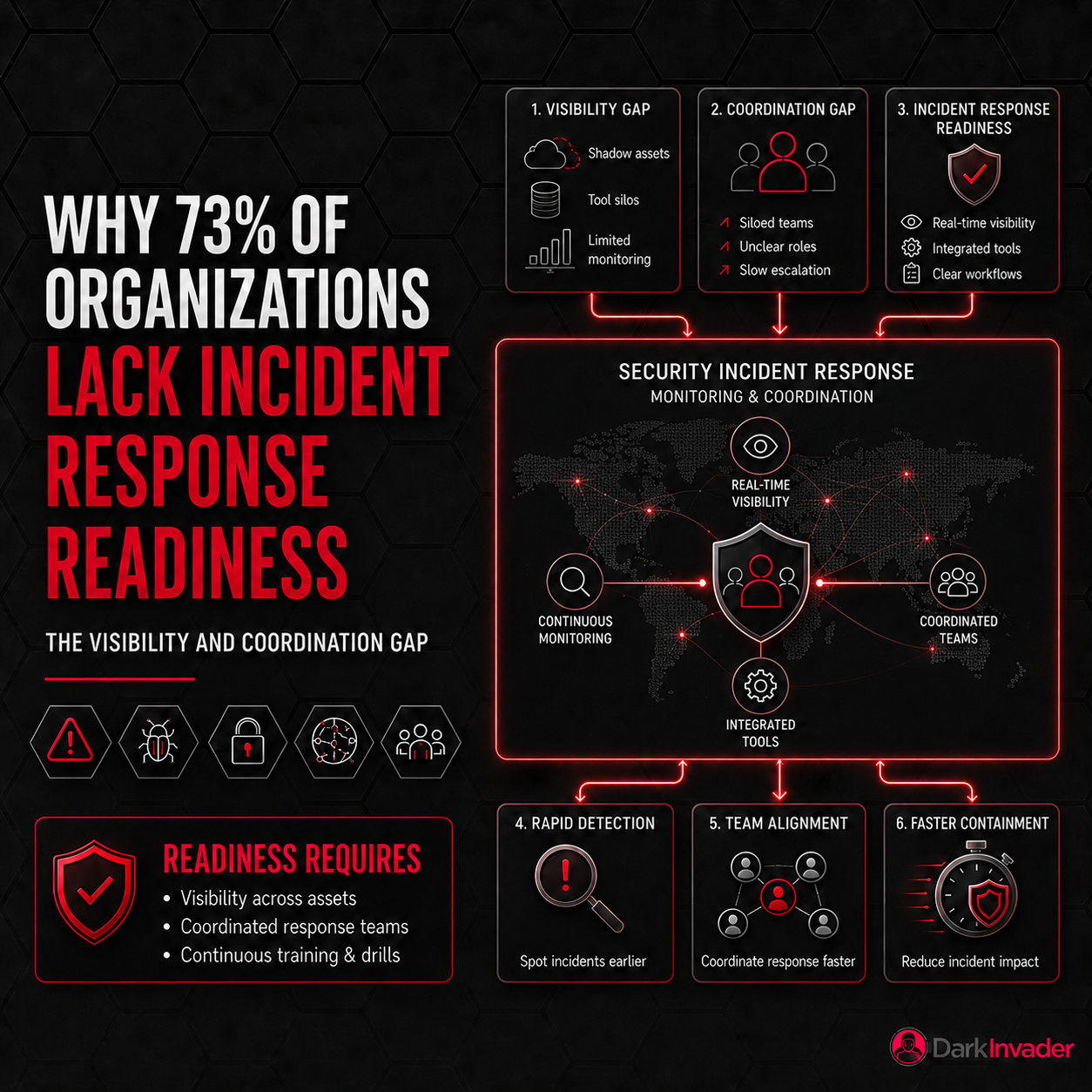
In today's digital landscape, cybersecurity incident response readiness is not just a necessity—it's a critical component of business operations. Yet, startlingly, 73% of organisations lack adequate incident response capabilities, leaving them vulnerable to cyber threats. So, what causes this glaring readiness gap, and how can companies bridge it effectively?
At its core, incident response readiness is about having the people, processes, and technologies in place to quickly identify, assess, and neutralise security threats. It's more than just having an incident response plan documented — it involves maintaining it, exercising it, and evolving it as threats develop.
The increasing complexity and volume of cyber threats require more than just traditional security measures. With cybercriminals adopting advanced tactics, organisations must embrace a robust strategy such as implementing vulnerability scanning to identify and mitigate risks before they become incidents.
Despite the availability of cybersecurity tools, many organisations struggle with visibility into their own networks. This gap stems from outdated systems, poor integration between tools, and a lack of comprehensive network monitoring. When you can't see what's happening in your network, it's virtually impossible to respond to incidents promptly.
To improve visibility, companies must deploy solutions that provide real-time insights and analytics into network activity. Tools such as OSINT monitoring can play a pivotal role in enhancing situational awareness and predicting potential breaches.
Incident response is often hampered by poor coordination amongst teams. Disparate departments, lack of communication, and unclear responsibilities can delay response times and exacerbate the impact of an incident.
Creating a cross-functional incident response team is crucial. This team should include members from IT, security, legal, and public relations to ensure a well-rounded approach. Utilising platforms that support third-party integrations can streamline communication and action during an incident.
Regular training sessions and simulated attack drills foster a culture of alertness and coordination. These activities help ensure that all team members know their roles and can act swiftly when an incident occurs.
Technologies like dark web monitoring provide warnings about leaked credentials or other security issues before they escalate. Automating monitoring tasks allows for quicker detection and response times, effectively narrowing the visibility gap.
Rather than waiting for an incident to occur, organisations should adopt a proactive security approach, which includes risk assessments, penetration testing, and continual improvement of security measures. Investing in solutions like brand monitoring can help identify threats to your brand identity, thus supplementing your incident response.
High-level management support is critical for incident response readiness. Leaders must understand the importance of cybersecurity and allocate sufficient resources towards maintaining an effective incident response strategy.
Filling the incident response readiness gap requires attention to visibility, technological integration, and team coordination. By enhancing these areas, organisations can significantly improve their resilience against cyber threats.
Why is incident response readiness crucial for organisations?
Incident response readiness is crucial because it enables organisations to effectively detect, assess, and mitigate security incidents, protecting their assets and reputation.
How can companies improve their cybersecurity visibility?
Organisations can improve visibility by implementing comprehensive monitoring solutions like OSINT monitoring to get real-time insights into network activity and potential threats.
What role does management play in incident response readiness?
Management plays a vital role by providing the necessary resources and support for cybersecurity initiatives, ensuring the entire organisation prioritises incident response and readiness.
Why do so many organisations lack proper incident response?
Many organisations lack proper incident response due to insufficient resources, outdated technologies, and inadequate training, making it challenging to maintain ongoing readiness.

Unlock full visibility of your external attack surface with DarkInvader’s continuous, real-time monitoring. Create your free account to discover unknown assets, detect emerging risks and stay ahead of potential threats before attackers can exploit them.
Create My Free Account
Platform 7D, New Station Street, Leeds,
LS1 4BT, United Kingdom
Mon-Fri, 9:00-17:00
Contact:
sales@darkinvader.io
+44 (0)1138805336
Last updated: 14 August 2026
©2026 DarkInvader, All Rights Reserved


